

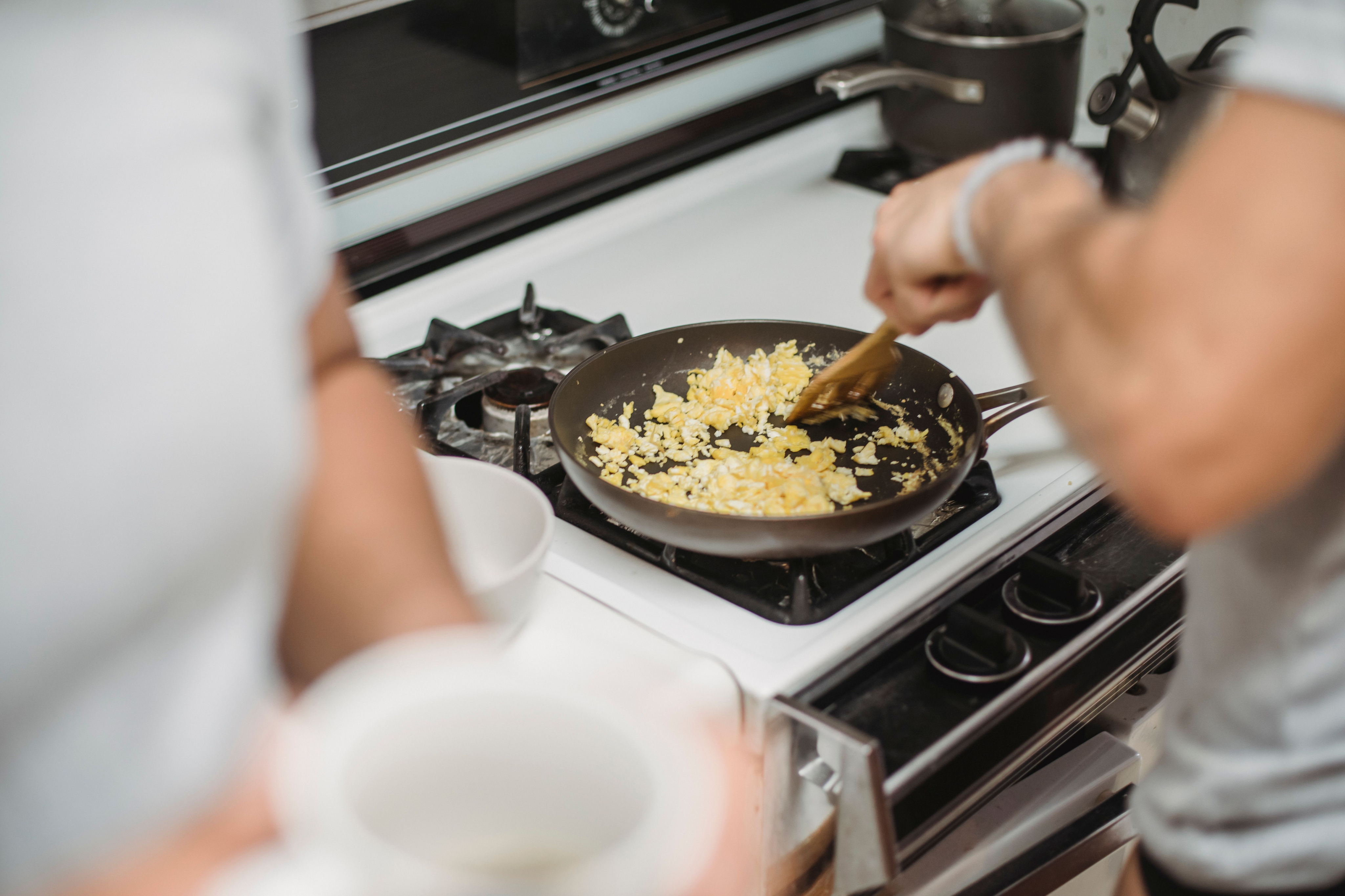
The best healthy meal prep ideas for busy students are simple, flexible meals you can cook in batches once or twice a week: grain bowls, sheet-pan dinners, slow cooker soups, overnight oats and wraps. Pick one protein, one grain and two or three vegetables. Cook them in a single session and mix and match them all week. You’ll save time and money, and you’ll stop relying on drive-thrus between classes.
At Blueridge, every apartment has a full kitchen with a gas range oven, a full-size refrigerator, a dishwasher, a microwave and a toaster. That makes a weekly prep session easy to fit in. Blueridge is about a 10-minute walk from BYU’s south campus, so you can grab a prepped lunch from the fridge and still make it to class on time.
Why Should College Students Meal Prep?
Meal prep is one of the simplest habits that pays off all semester. A couple of hours on the weekend gets you:
- Lower food costs: Buying ingredients in bulk and cooking at home costs far less than eating out several times a week.
- More time during the week: Lunch and dinner are already done when exams, work shifts and club meetings pile up.
- Better nutrition: You decide the portions, the ingredients and how much salt, sugar and oil go into each meal.
- Less food waste: A plan means you buy only what you’ll actually use.
- Less stress: One fewer decision every day leaves more energy for school.
How Do You Start Meal Prepping as a Student?
The easiest way to start is to keep it small. Prep three or four days of lunches before you try to cover every meal. Follow these steps:
- Pick your prep day. Sunday afternoon or Monday evening works well for most class schedules.
- Choose two or three recipes. Start with meals you already like, then add one new recipe each week.
- Make a grocery list by section. Group items into produce, protein, grains and dairy so shopping is quicker.
- Cook components, not just meals. A pan of rice, a tray of roasted vegetables and a batch of chicken can become bowls, wraps and salads.
- Portion everything right away. Divide meals into containers while they’re still fresh, and label anything you plan to freeze.
- Store smart. Most cooked meals keep 3 to 4 days in the fridge. Freeze anything you won’t eat by midweek.
What Are Some Easy Healthy Meal Prep Recipes for Students?
These ideas use affordable ingredients, need basic kitchen tools and hold up well in the fridge.
Breakfast Ideas
- Overnight oats: Mix rolled oats, milk or yogurt, chia seeds and fruit in jars. They’re ready to grab in the morning.
- Egg muffins: Whisk eggs with spinach, peppers and cheese, then bake them in a muffin tin. Reheat in the microwave in under a minute.
- Freezer breakfast burritos: Fill tortillas with scrambled eggs, black beans and salsa, then wrap them in foil and freeze.
Lunch Ideas
- Grain bowls: Rice or quinoa, roasted vegetables, a protein like chicken, tofu or chickpeas, and a simple sauce.
- Chicken and veggie wraps: Whole-wheat tortillas with shredded chicken, lettuce, hummus and cucumbers. Keep the sauce on the side so the wraps don’t get soggy.
- Pasta salad: Whole-grain pasta, cherry tomatoes, cucumbers, feta and Italian dressing. It tastes even better on day two.
Dinner Ideas
- Sheet-pan chicken and vegetables: Toss chicken thighs, potatoes, broccoli and carrots with olive oil and seasoning, then roast everything on one pan.
- Slow cooker chili: Ground turkey, beans, tomatoes and spices make about six servings and freeze well.
- Stir-fry kits: Pre-chop vegetables and marinate your protein, then cook a fresh stir-fry in 10 minutes on a busy night.
Snack Ideas
- Hard-boiled eggs
- Hummus with carrot and celery sticks
- Greek yogurt with granola
- Homemade trail mix
- Apple slices with peanut butter
How Can You Meal Prep on a Student Budget?
Healthy eating doesn’t have to be expensive. These habits keep your grocery bill in check:
- Build meals around staples: Rice, oats, beans, lentils, eggs, pasta and frozen vegetables are cheap and filling.
- Buy frozen produce: Frozen fruits and vegetables are just as nutritious as fresh, and they won’t spoil before you use them.
- Shop store brands: Generic pantry staples are often just as good as name brands for less.
- Split bulk buys with roommates: Share a warehouse-size bag of rice or a family pack of chicken and divide the cost.
- Cook once, eat twice: Turn leftover roasted chicken into tacos, wraps or soup later in the week.
- Plan around sales: Check weekly store ads before you write your list.
If money for food gets tight, BYU’s Food and Housing Insecurity resources can connect you with the Dean of Students Office and local food pantries. BYU Dining dietitian services also offers free nutrition counseling for students, including help with budget-friendly eating and special diets.
Where Can You Buy Groceries for Meal Prep Near BYU?
Provo and Orem have plenty of grocery options for every budget and shopping style.
Everyday Grocery Stores
- Smith’s (350 N Freedom Blvd, about 1.7 mi): A full-service grocery store with weekly deals and digital coupons.
- Macey’s Provo (1400 N State St, about 2.5 mi): A local favorite for case-lot sales and pantry staples.
- Walmart Neighborhood Market (2255 N University Pkwy, about 3 mi): Budget-friendly groceries, open 6 a.m. to 11 p.m. daily.
- Rancho Markets (1700 N State St, about 3 mi): Great for fresh produce, tortillas, spices and affordable meat.
Specialty and Bulk Stores
- Costco Orem (648 E 800 S, about 3.5 mi): Bulk proteins, frozen vegetables and grains to split with roommates.
- Trader Joe’s Orem (440 E Park Ave, about 4 mi): Affordable frozen meals, pre-cut vegetables and snacks.
- Sprouts Orem (1375 S State St, about 4 mi): Bulk bins for oats, nuts and grains, plus plenty of produce.
- Harmons Orem (870 E 800 N, about 4.5 mi): A wide selection of fresh, prepared and specialty foods.
Farmers Market
The Provo Farmers Market moves indoors to Provo Towne Centre for its winter season, which runs on Saturdays from 10 a.m. to 3 p.m., November 21, 2026, through March 27, 2027. In summer and fall, it’s held on Saturdays at Pioneer Park.
What Are the Best Meal Prep Storage Tips?
Good storage keeps meals safe and tasting fresh all week.
- Use airtight containers: Glass containers reheat well and don’t hold onto smells.
- Cool food before sealing: Let hot food cool briefly so condensation doesn’t make it soggy.
- Keep sauces separate: Dressings and sauces stay fresher in small side containers.
- Label and date freezer meals: Most cooked meals keep well in the freezer for two to three months.
- Eat the most perishable meals first: Have seafood and salads early in the week, and save chili and soups for later.
How Does Meal Prep Fit Into a Busy Student Schedule?
Meal prep works best when it feels like part of your routine instead of a chore. Put on a podcast, split the cooking with roommates or turn Sunday prep into a weekly hangout. With a full kitchen at Blueridge and plenty of grocery stores nearby, making healthy food the easy choice is simple, even during midterms.
Frequently Asked Questions
How long does meal prep last in the fridge?
Most cooked meals stay fresh for 3 to 4 days in the refrigerator. If you prep for a full week, freeze the meals for days five through seven and thaw them in the fridge the night before.
What is the cheapest way to meal prep as a college student?
Build meals around low-cost staples like rice, oats, beans, eggs, pasta and frozen vegetables. Buy store brands, shop sales and split bulk purchases with roommates.
How many meals should a beginner meal prep?
Start with three or four lunches or dinners for the week. Once that feels easy, add breakfasts or snacks.
What are good high-protein meal prep foods for students?
Chicken thighs, ground turkey, eggs, Greek yogurt, canned tuna, tofu, lentils and beans are affordable, high-protein options that reheat well.
Can you meal prep without a lot of cooking equipment?
Yes. A sheet pan, a pot, a skillet, a cutting board, a good knife and a set of containers cover most meal prep recipes. A slow cooker is a helpful extra.